 RondoTrace
Ground
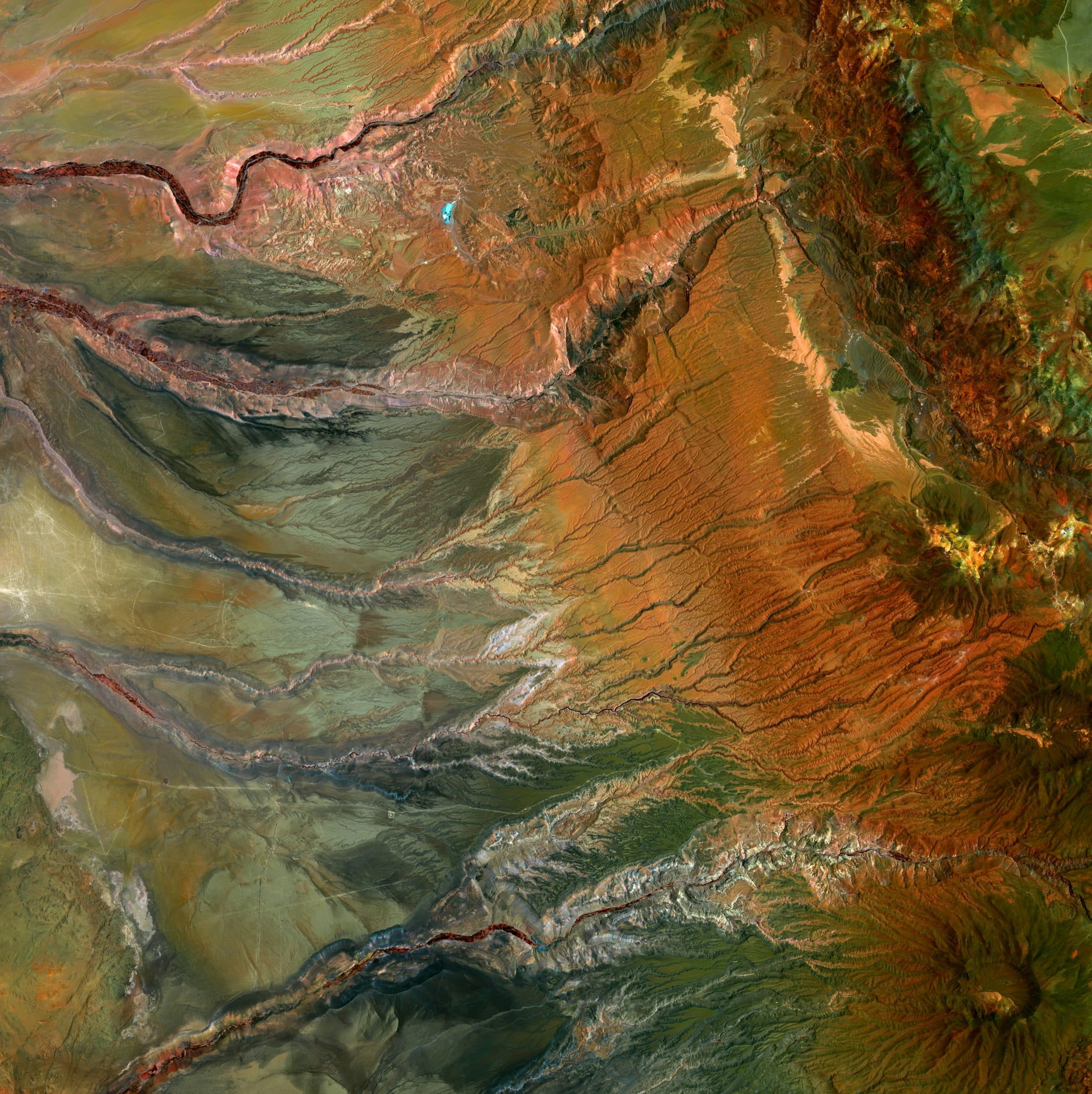
Ground movement
Tailings dams, pits and slopes, measured to the millimetre.
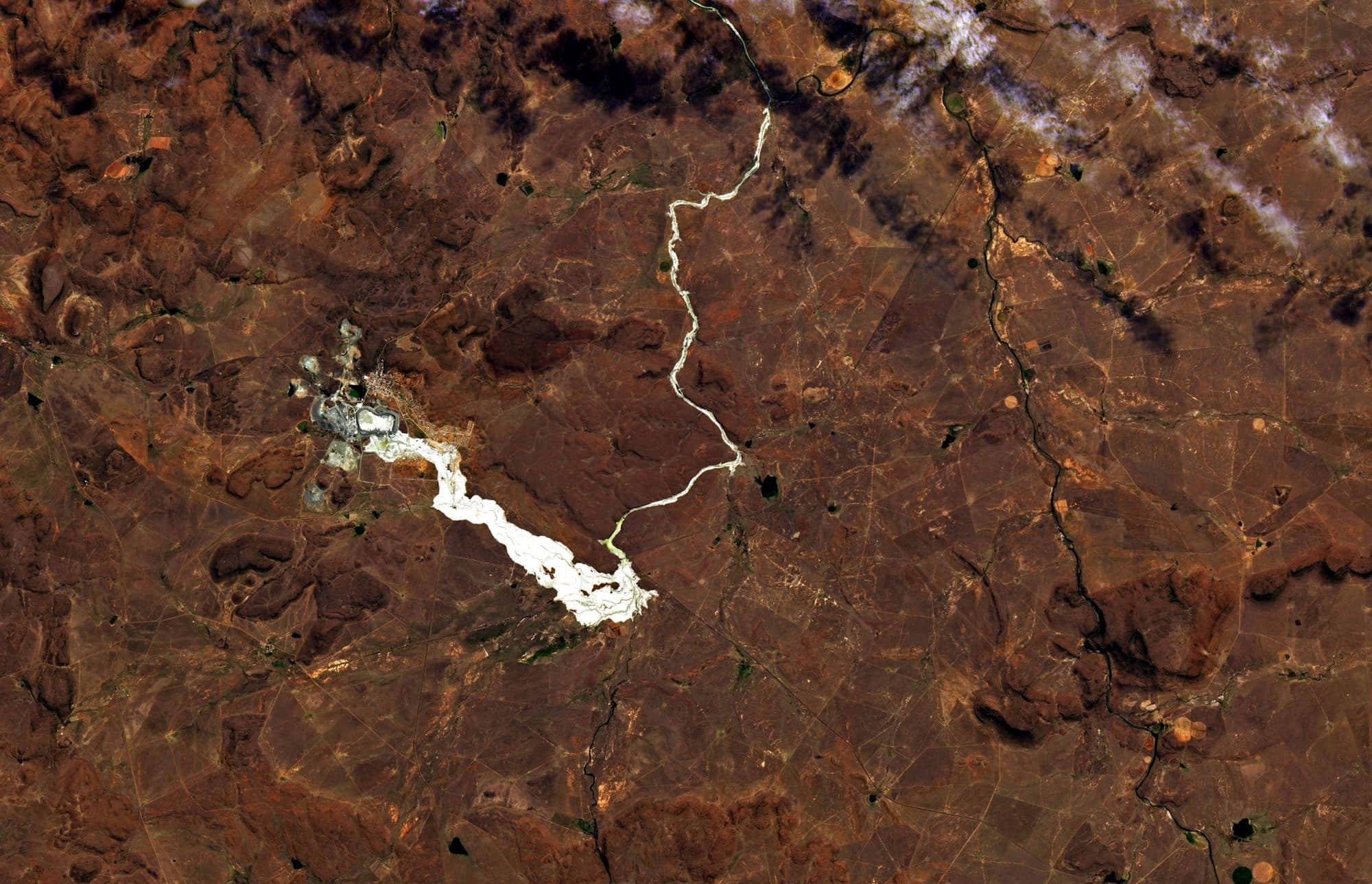
The platform combines a continuous orbital observation record with corroborating reporting feeds. We turn repeat-pass imagery into site-specific risk intelligence.
We resolve your supply chain several tiers deep, to named companies and physical sites, using corporate filings, trade and customs records, facility registries and material flows. Every link carries a confidence level, so you know what is confirmed and what is inferred.
We observe each site from space and from public sources: ground movement, heat, emissions, water, land and forest change, and signs of activity or its absence. Nothing depends on the supplier telling us.
Ground movement. Tailings dams, pits and slopes, measured to the millimetre.
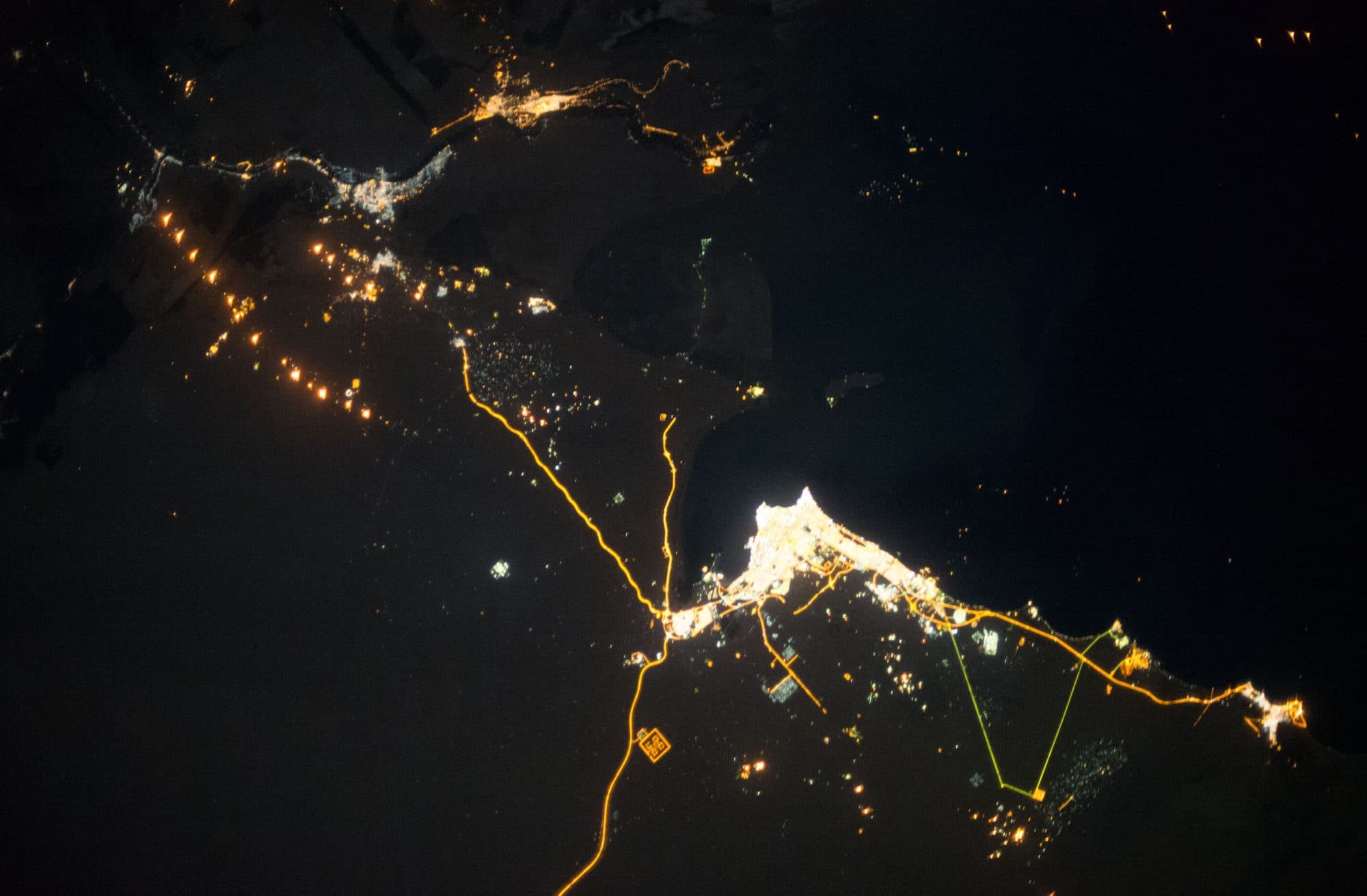
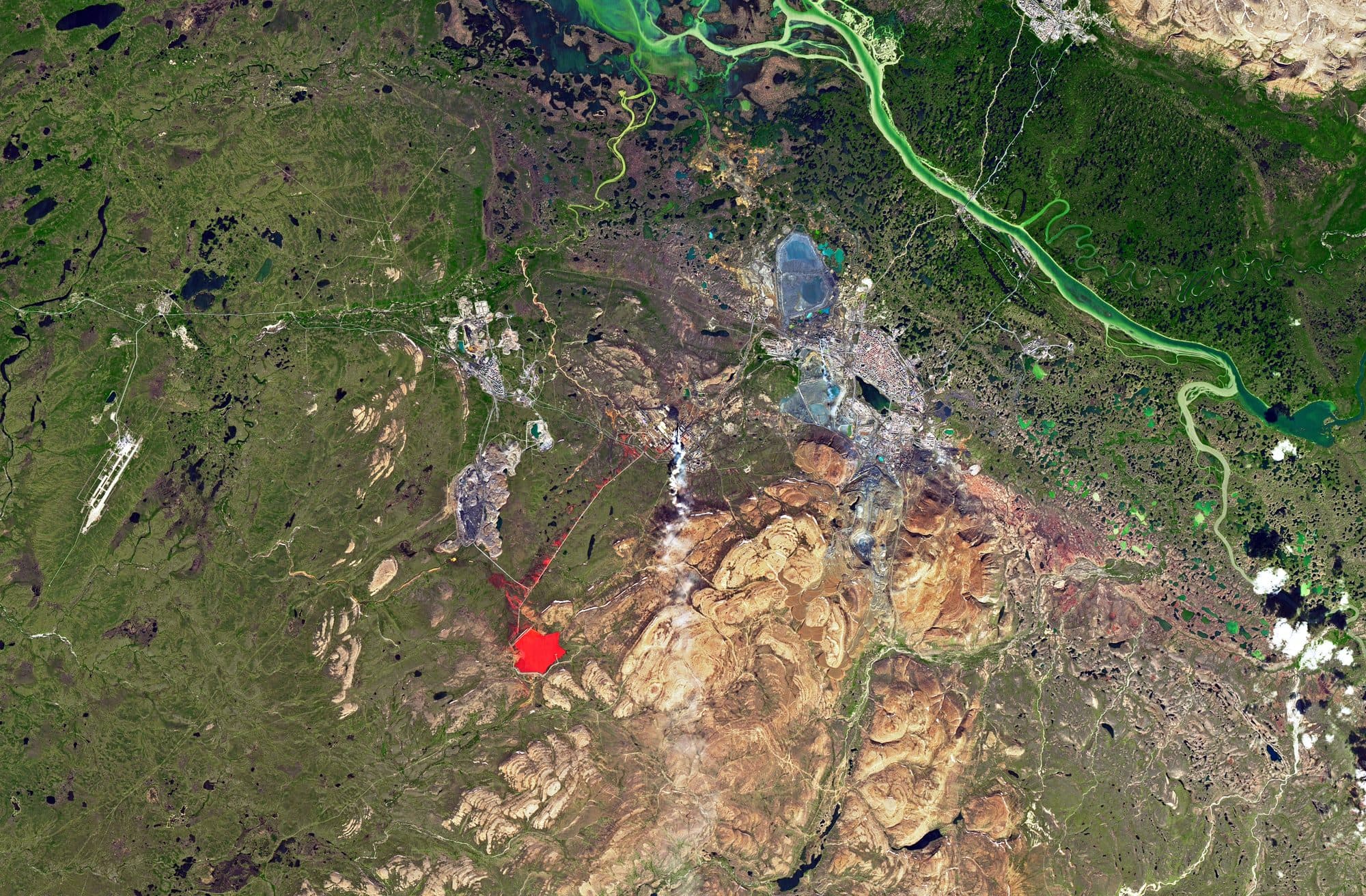
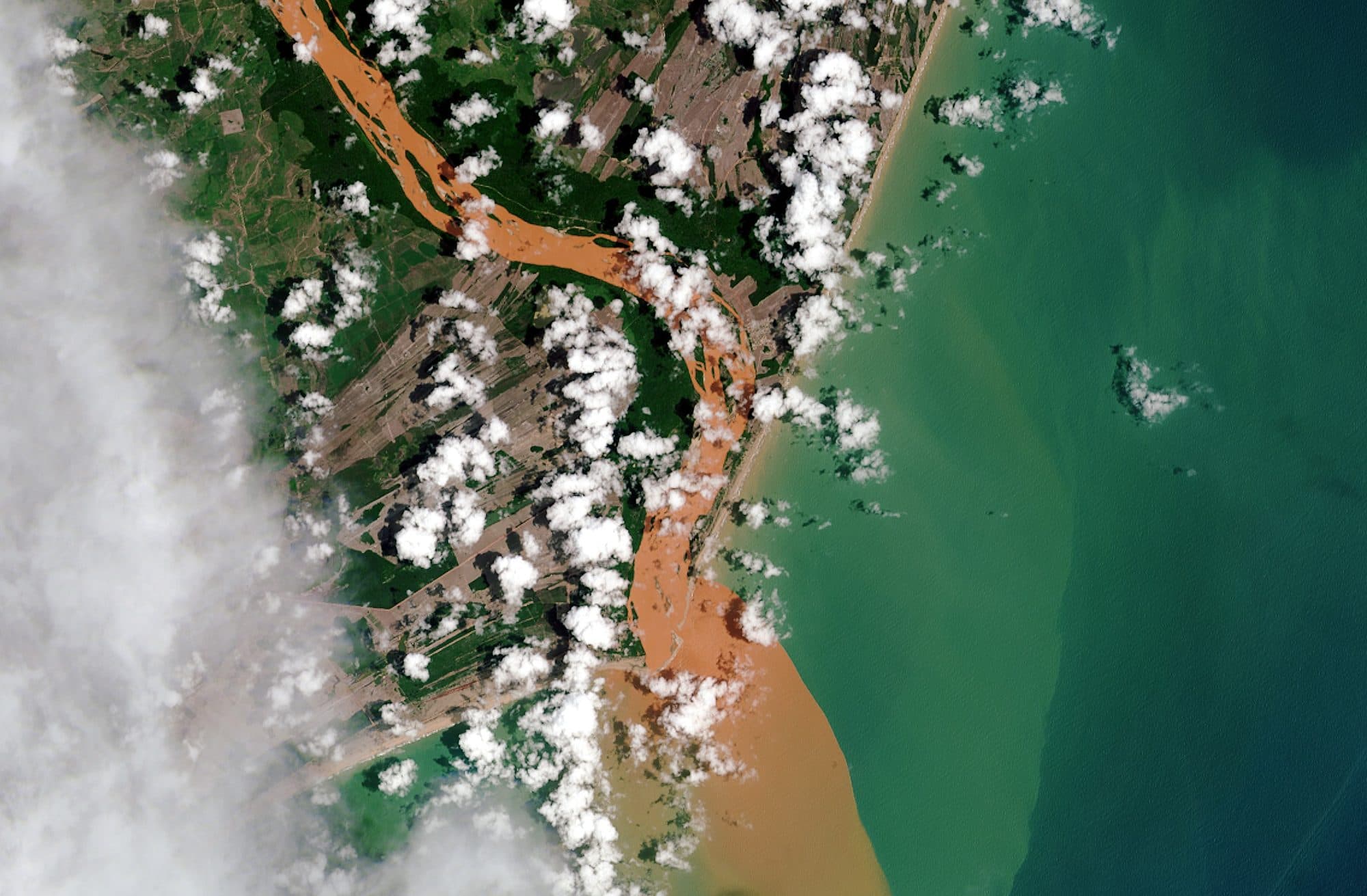
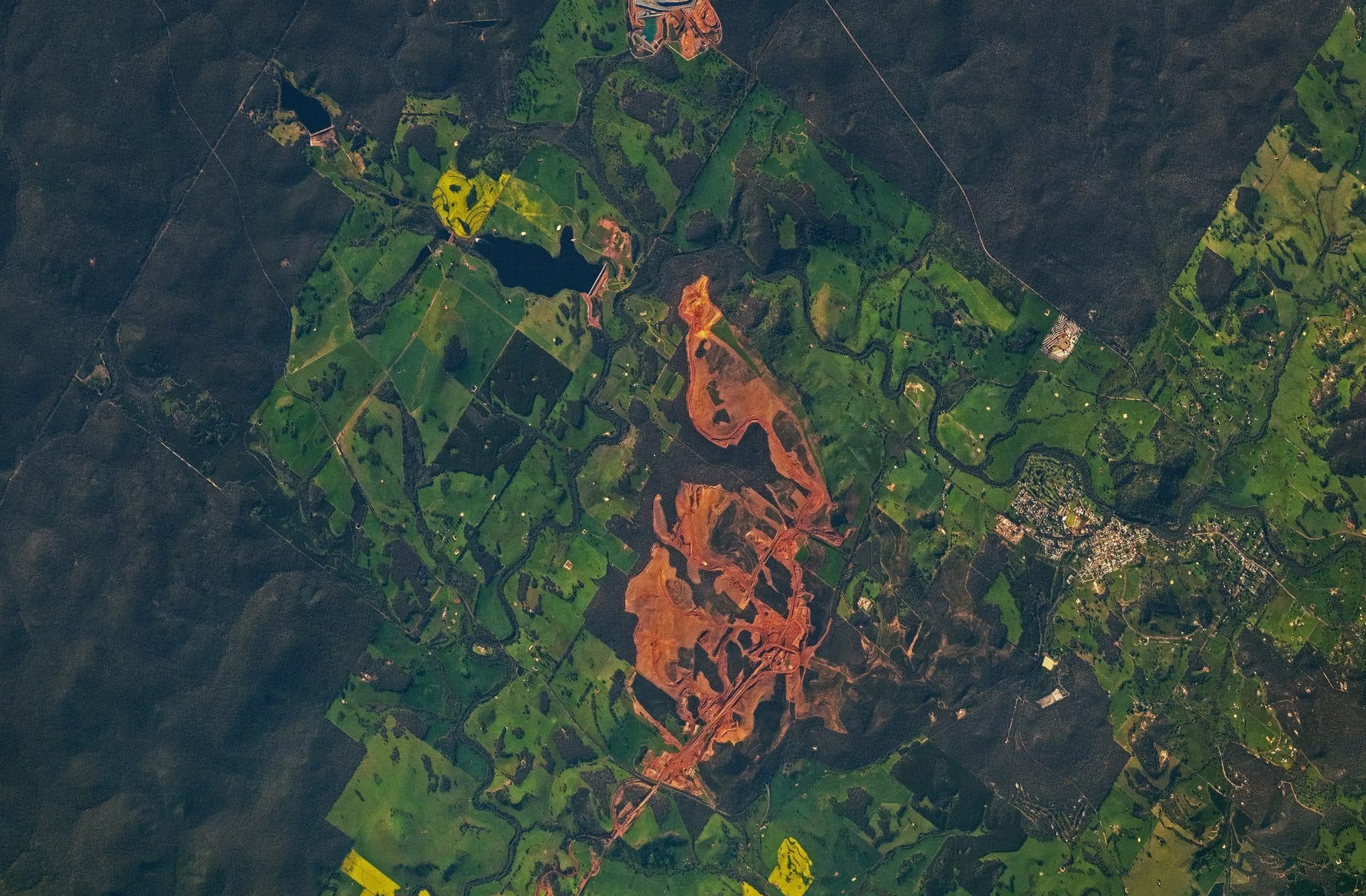
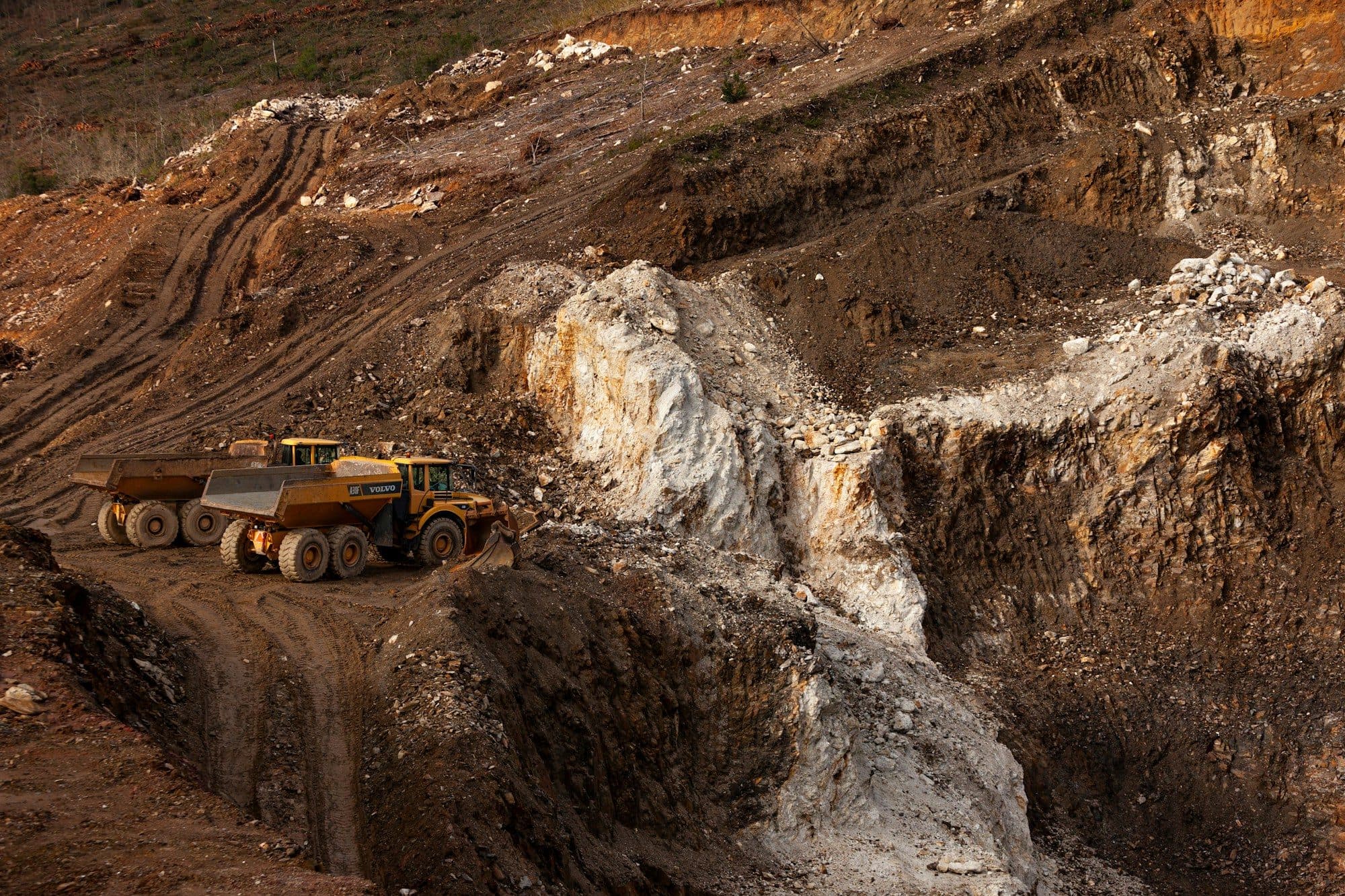
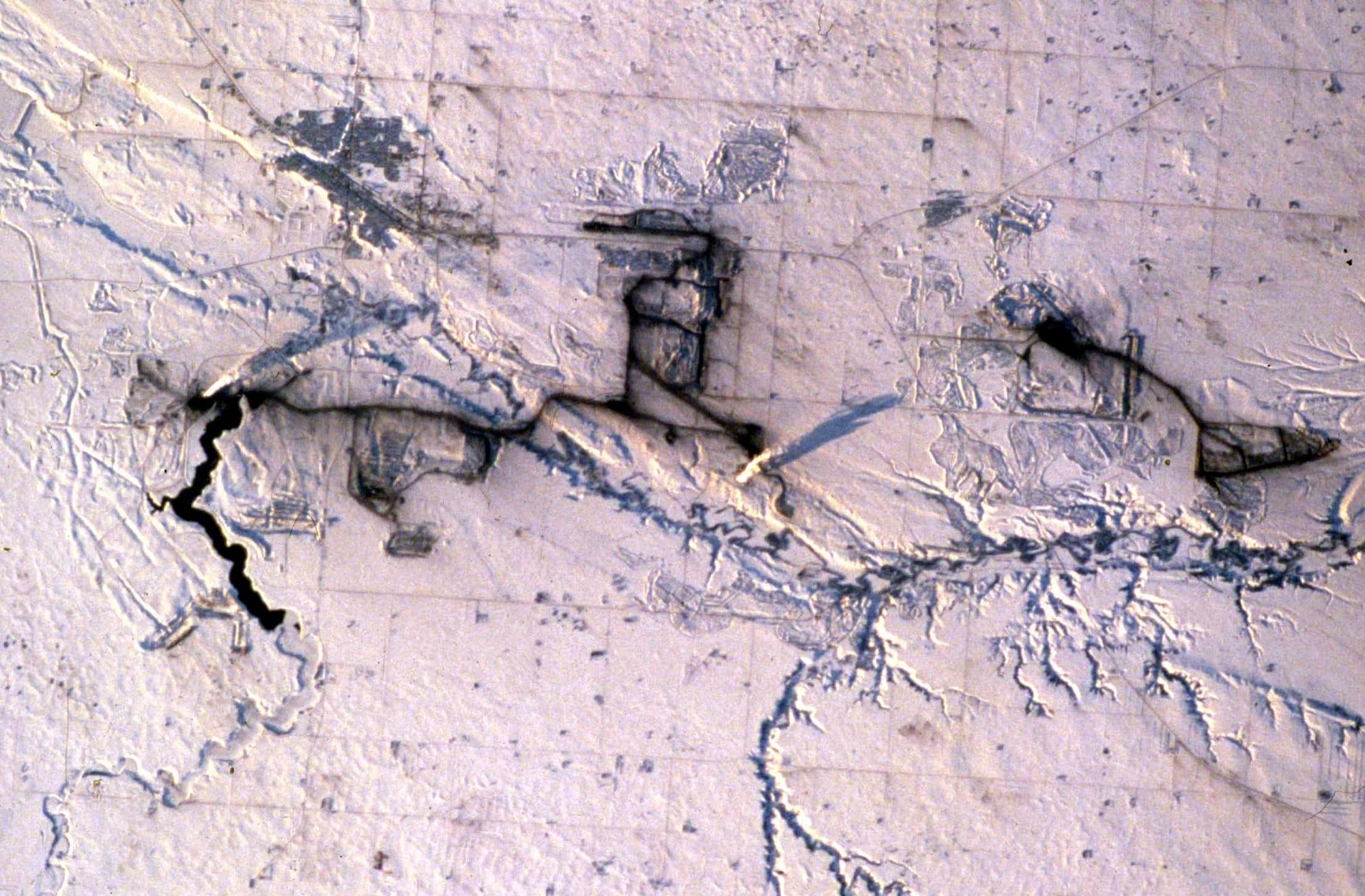
Tailings dams, pits and slopes, measured to the millimetre.
Plot-scale forest cover change for EUDR compliance.
We monitor forest cover loss at plot scale across your sourcing regions — including EUDR-relevant commodities like coffee, cocoa, palm, and timber.
Forest cover loss at plot scale across your sourcing regions — for EUDR-relevant commodities including coffee, cocoa, palm, timber, rubber, soy, and beef. Tied to plot boundaries you provide.
EUDR-ready plot-level deforestation evidence with dates, areas, and confidence levels per finding.
Surface water, soil moisture, and tailings runoff.
We measure surface water extent, turbidity, soil moisture, and tailings runoff at supplier sites and their downstream watersheds.
Water bodies adjacent to your supplier sites, soil moisture in surrounding agricultural land, and tailings runoff into downstream watersheds. Surface changes over time, not single snapshots.
Water and soil change reports per site, suitable for CSRD disclosure and downstream-impact diligence.
Daily-global atmospheric monitoring at industrial sites.
We measure emissions and air-quality indicators at industrial sites — NO₂, SO₂, and methane — using daily-global atmospheric coverage.
Atmospheric pollutants above industrial sites — including nitrogen oxides, sulphur compounds, and methane. Detected with daily-global atmospheric coverage.
Site-level air quality time-series with anomaly flags, ready for CSRD environmental disclosure.
Hot-spots, flaring activity, and fire risk.
We detect hot-spots on stockpiles, flaring activity at oil & gas sites, and fire risk in agricultural and forestry operations.
Heat signatures from stockpile self-heating, flaring activity at oil & gas operations, and fire risk in forestry and agricultural sourcing. Detected as they happen.
Thermal event reports per site, including timing and duration. Useful for operational risk and CSRD reporting.
Site-level CO₂ estimation, methodology disclosed.
We estimate site-level CO₂ output from thermal signatures, flaring, and activity-derived emissions — with the methodology disclosed openly.
Site-level carbon emissions estimated from heat signatures, flaring, and observed activity intensity. For CBAM-relevant shipments, embedded emissions can be calculated where production data is available.
CBAM-aligned emissions estimates per site, with confidence ranges published alongside the numbers.
Settlement change, land clearing, and activity disruption.
We observe settlement change, land clearing, nighttime light patterns, and activity disruption — always corroborated against independent reporting.
Settlement changes near concession boundaries, land clearing adjacent to industrial expansion, and disruption patterns in communities surrounding supplier sites. Always cross-checked with independent reporting before publication.
Corroborated indicators of community impact, suitable for CSDDD adverse-impact identification.
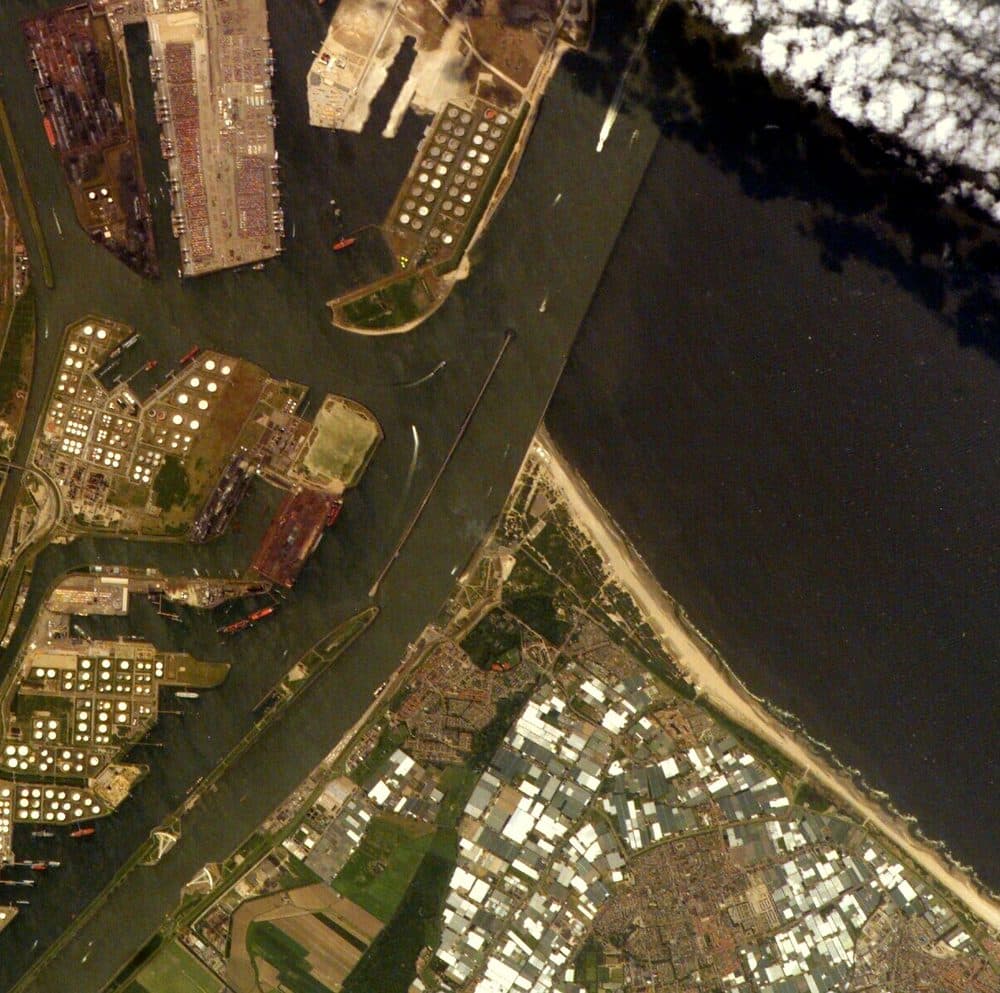
When something moves, we tell you what it is, how sure we are and which of your products it touches. Every finding is corroborated across independent sources, in any language, before it reaches you.
The continuous layer above your audits, supplier questionnaires, and certifications.
Site polygons or supplier addresses, resolved to satellite coordinates.
Seven physical-domain pipelines run on every satellite revisit.
Significant deviations are flagged, corroborated, and scored.
Each anomaly arrives with imagery, dates, confidence interval, methodology.
Your supplier sites, mapped.
We resolve your supplier addresses and concession polygons to satellite coverage. Tier-N suppliers and indirect sourcing regions included.
Continuous monitoring across seven domains.
Each site is observed across the physical domains relevant to its industry. Continuous coverage, not annual snapshots.
Anomalies, corroborated.
Significant deviations are cross-referenced against independent reporting before they reach you. Single-source signals are flagged accordingly.
Reports your auditors accept.
Site-specific intelligence with source imagery, dated observations, and disclosed limitations. Aligned with CSDDD, CSRD, CBAM, and EUDR reporting.
Pick a supplier site. We run a forensic retrospective applying the seven domains where they apply. Thirty days. You see the methodology, the output format, the limitations. No commitment.