 RondoTrace
Your supply chain is traceable back to the mine.
Steel, aluminium, batteries, rare earths, electronics. Every tier carries physical risk. We track it across all of them, continuously.
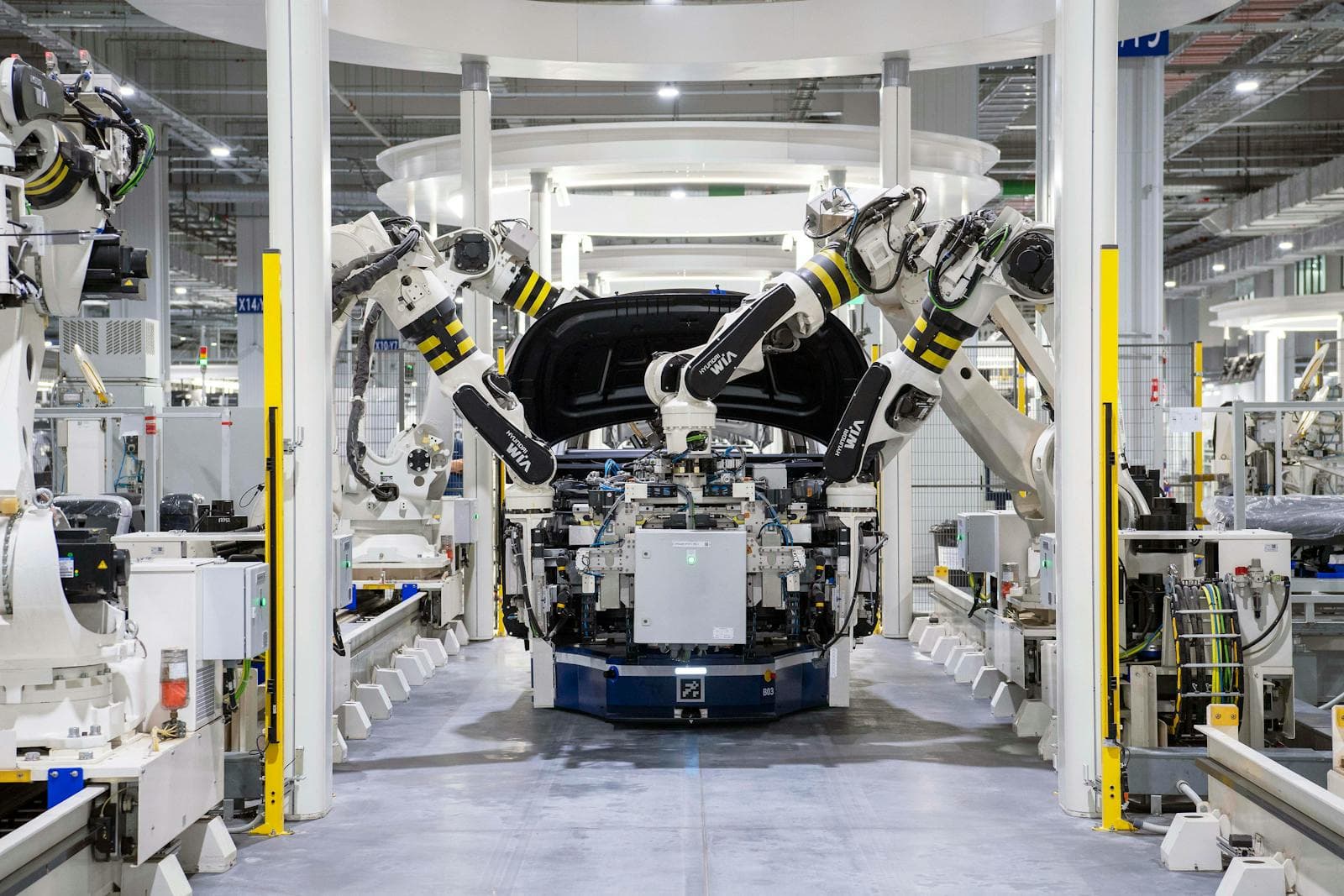
Four regulations apply to your automotive supply chain.
Tier-N supplier diligence.
Risk-based prioritisation across the full supply chain — including raw-materials sourcing two and three tiers below your direct suppliers.
Scope 3 supply chain reporting.
Upstream emissions and environmental impacts across tiers require verifiable site-level data, not just supplier-reported figures.
Embedded emissions for vehicle inputs.
Iron, steel, aluminium, and battery-relevant commodities entering EU production require declared embedded emissions per consignment.
Natural rubber and leather sourcing.
Tyres and interior leather are EUDR-relevant. Plot-level evidence required from 2025.
The physical domains that matter for automotive.
Water & soil
Water use and tailings impact at metal smelters and battery-precursor sites.
Air quality
Emissions near upstream metal and chemical production sites.
Carbon
Embedded emissions per shipment of input materials, CBAM-aligned.
Human rights proxies
Indicators near upstream mineral extraction sites, especially in cobalt and rare-earth regions.
Deforestation
Natural rubber and leather sourcing for tyres and interiors, EUDR-aligned.
The remaining domains can be activated at any time as your sourcing or operations evolve.
Cases in the satellite record.
Both cases apply across the automotive supply chain — Brumadinho via upstream iron ore sourcing, Clairton via steel-input coke supply.
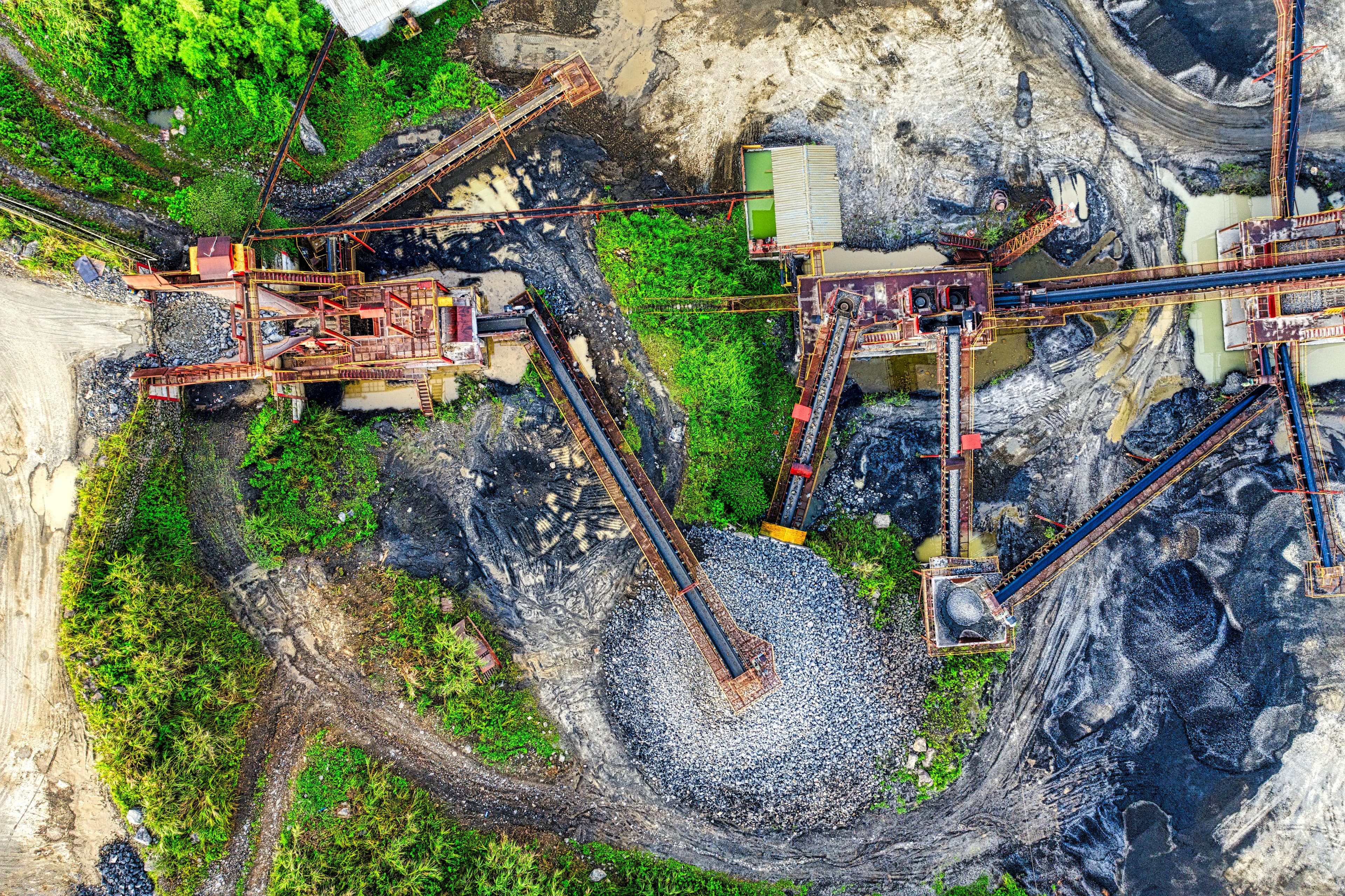
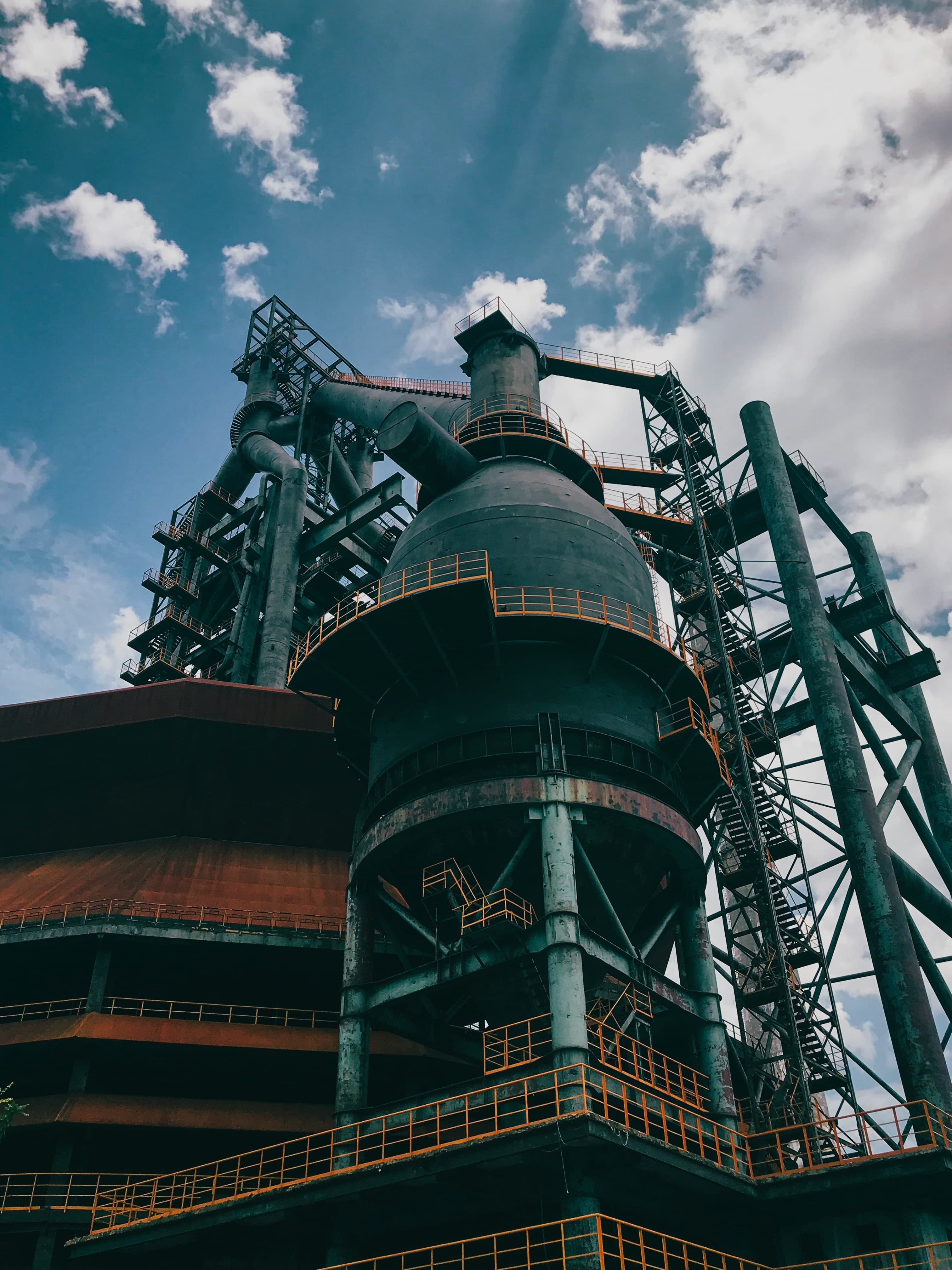

Pick a tier-N supplier. Thirty days.
We rebuild a satellite-evidence timeline for a single site of your choosing. You see the methodology, the limitations, the output. No commitment beyond the assessment.