 RondoTrace
We watched three giant building sites from orbit. Here is the one we think will be late.
A lender usually hears about a delay from the borrower, after it has happened. Part of the story can be seen from outside, months earlier.
By RondoTrace · 19 November 2026 · 5 min read
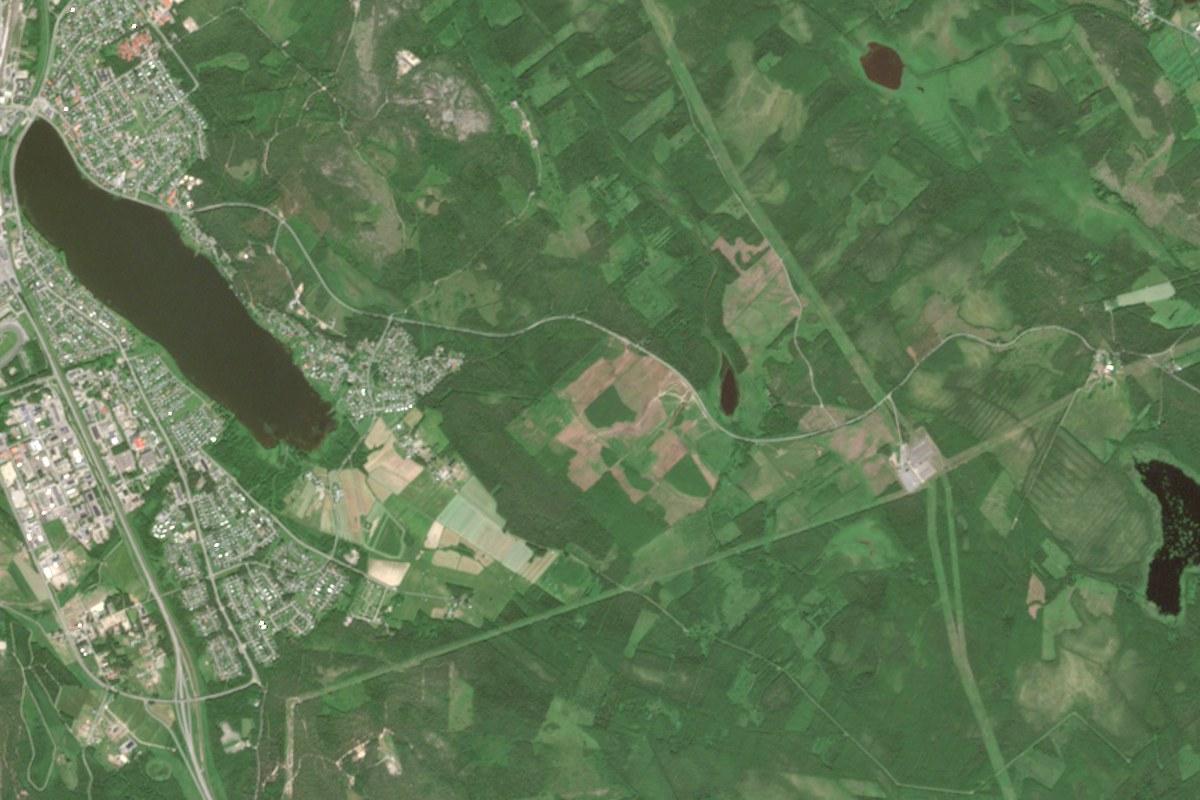
In July 2021 a satellite passed over Boden, a small town in the far north of Sweden, and took a picture. It shows a lake, the streets of the town, and forest in every direction.
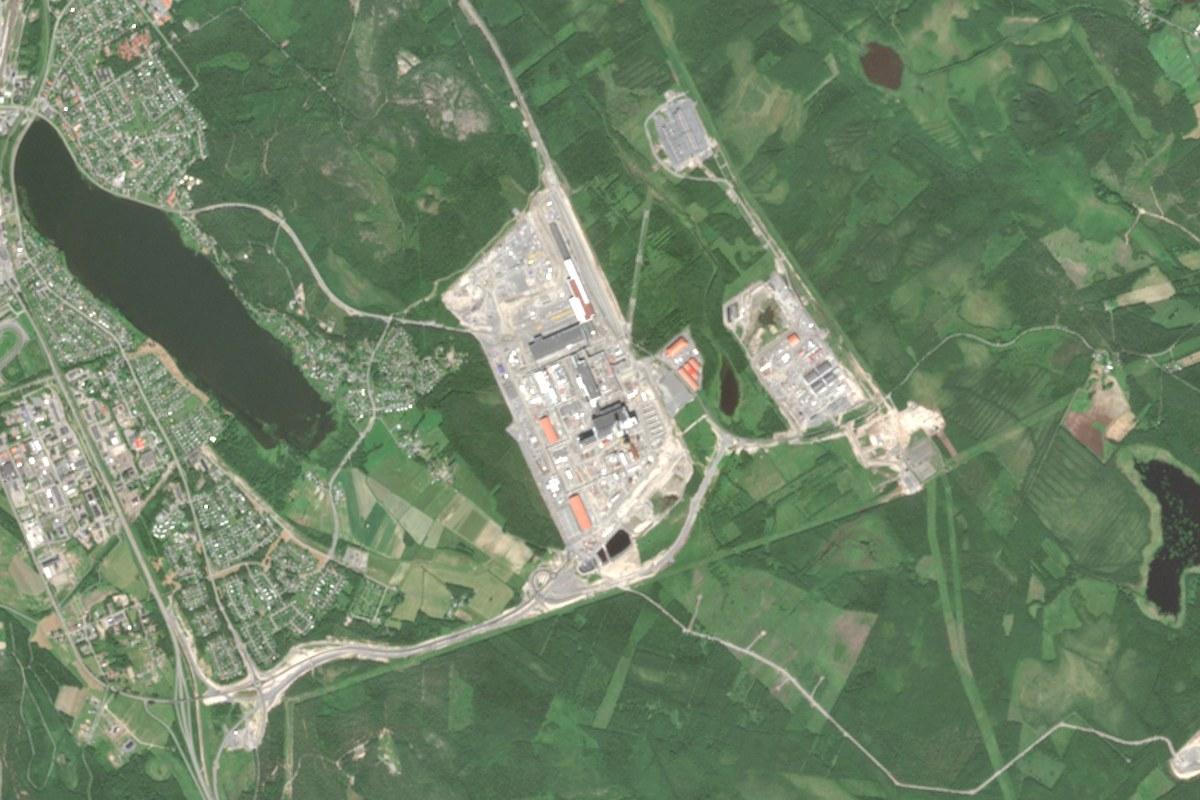
Five summers later the same satellite passed over again. Where the forest had been, there were now 306 hectares of roofs, yards and concrete.
This is the Stegra steelworks, a very large new steel plant. If you had lent money to it, the second picture would be good news. Something very large has been built.
It also leaves one thing unanswered, and it is the thing a lender most needs to know. Is this plant about to make steel, or is it still a building site?
This is the work we do at RondoTrace. We follow sites like this one by satellite, month after month, so that a lender can see what is changing on the ground while there is still time to act on it. That means before the next drawdown, and not in the progress report that comes after it.
Three things you can see without asking anyone
We answer that by watching three things, month after month, at every project we follow.
The first is how much ground has been built on. While that area keeps growing, people are still pouring concrete and putting up steel. When it stops growing, the outdoor work is mostly done.
The second is how bright the site is at night. A construction site is lit like a stadium, and it gets brighter as the work spreads. When the lights come down, something has changed, and we ask what.
The third is heat. A steel furnace or a gas flare is hot enough to be seen from orbit, and almost nothing else on a building site is. The month we first see heat is the month the plant has started to wake up.
None of this shows how finished a plant is inside its buildings. We use it as an outside check on what the borrower reports, and never as a replacement for it.
Sweden: still growing, and still cold
Back to Boden. In the past year the site grew by another 46 hectares, from 260 to 306. At night it is now brighter than the town itself: 1.31 times as bright in the months of 2026 that we could measure, against 0.80 times a year earlier. Work has plainly not stopped.
What we have not seen is heat. There was none in any of the 12 months from November 2025 to October 2026.
We believe this plant has not started making steel, because we have not seen any heat from a furnace.
The company's own statements point the same way. On 29 October 2026 it reported that installation of its two furnaces had begun a few weeks earlier. A month before that, on 30 September, it said the cost to finish was significantly higher than it had assumed in June, and that it needed more capital.
So this is the one we think will be late. We expect it to start later than the company first planned, and to need more funding before it earns anything.
Texas: the one that is keeping its promises
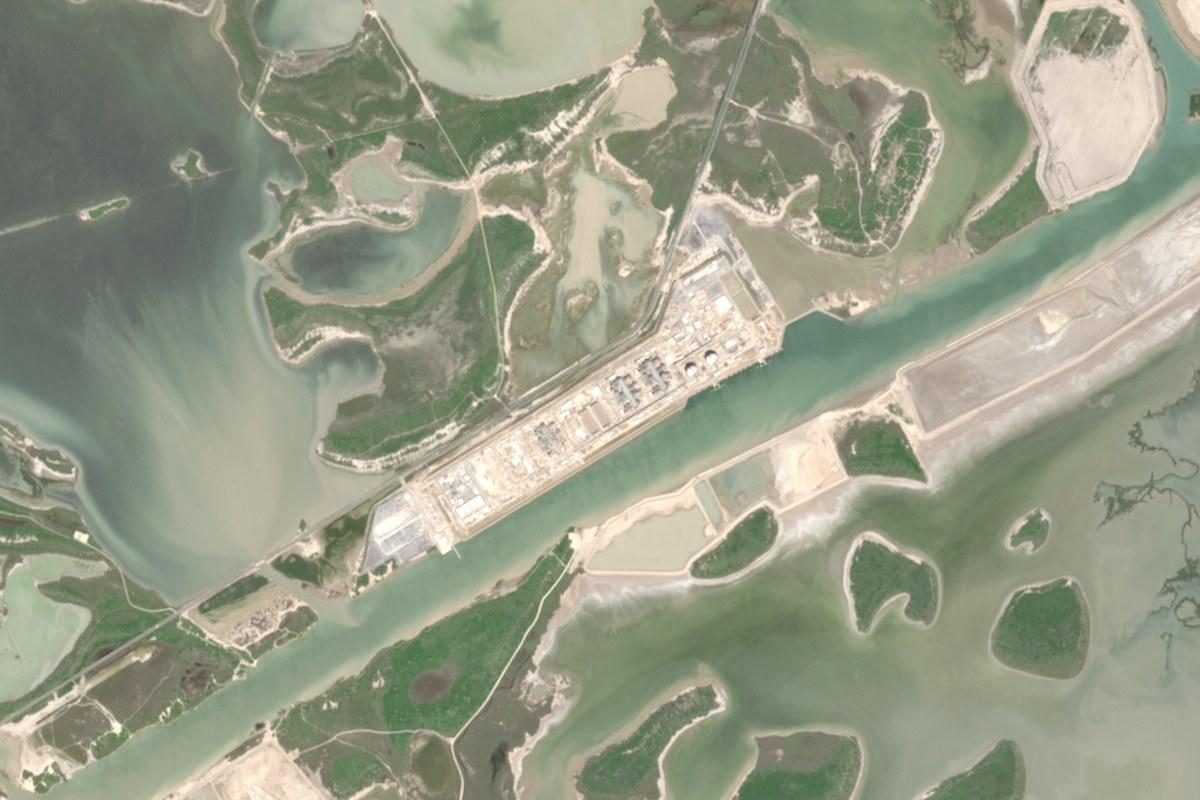
On the Gulf coast of Texas, a gas export plant called Rio Grande LNG tells a happier story. Its built area almost doubled in a year, from 26 to 49 hectares, and the site is 62% brighter at night than it was a year ago.
In March 2026 the company said its first two production units were 64.5% complete as of January, and that it expected first production in the first half of 2027. What we see from outside fits what the company says. We believe the project is on schedule for now.
The real test comes next spring. Before a plant like this produces anything, it lights a flare, and we have seen no heat here in 24 months. If spring 2027 passes without one, we would expect the date to slip. We also hold our built-area figure loosely at this site, because cloud and haze hide part of it in some months.
Mozambique: a restart you can see
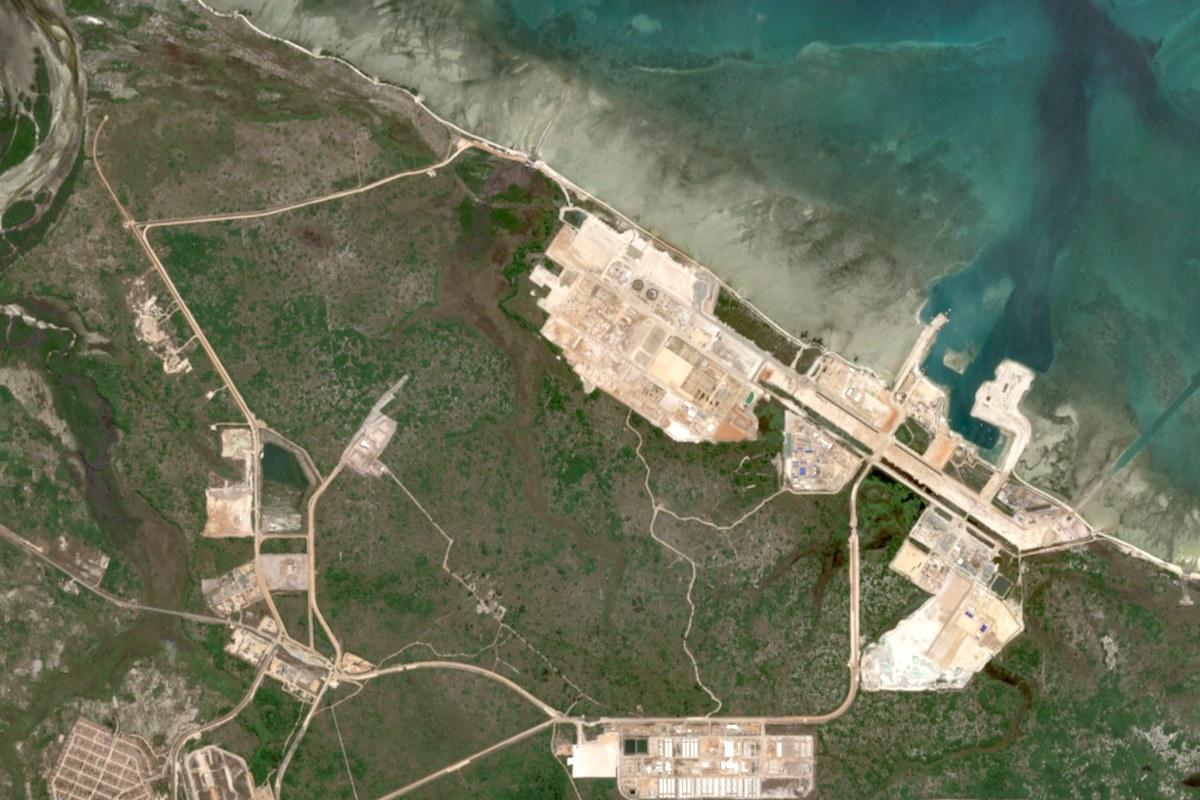
For five years almost nothing happened at the Afungi site in northern Mozambique. In every year from 2021 to 2025 the built area sat between 1 and 10 hectares.
Then, on 29 January 2026, the operator announced that work had fully restarted. From orbit you can see that it meant it. The built area this year is 43 hectares, and the site is five times as bright at night as it was a year ago.
The restart is real. Even so, the operator's own date for first production is 2029, and one good year is too little to call a steady pace. We would treat this as a project that still carries all of its construction risk.
All three projects are in our free Outlook tool for lenders. You can slow the pace of building with a slider and watch what it does to the figures. If you finance a project and want the same view of it, you can ask us to check a site.
Related analysis
More from RondoTrace.
The same methodology, applied to a site you choose.
Forensic retrospective on any supplier site — including yours. We deliver the methodology, the imagery, the dated observations, and the limitations. Thirty days, no commitment.